Adapting to a Warming Continent
Europe is currently experiencing a significant increase in both the intensity and frequency of heatwaves, a phenomenon exacerbated by ongoing climate change. The continent is warming at a faster rate than the global average, leading to unprecedented temperatures even in regions historically accustomed to cooler climates. This shift necessitates a reevaluation of daily routines and societal structures to ensure public safety and well-being. While many northern European populations are accustomed to mild summers, the escalating heat poses significant health risks, including dehydration, heatstroke, and the worsening of pre-existing medical conditions like kidney or cardiovascular issues. Vulnerable populations, such as the elderly, pregnant individuals, infants, those with chronic illnesses, and the unhoused, are particularly susceptible to these dangers. As temperatures frequently breach 40 degrees Celsius (104 Fahrenheit) in unexpected locations, there's a growing need for adaptation strategies, many of which can be learned from southern European countries that have a long history of managing extreme heat.
Prioritizing Midday Retreat
A fundamental practice in southern European nations is avoiding direct sun exposure during the hottest hours of the day, typically between 11 a.m. and 5 p.m. This period is when solar radiation is most intense, and ground temperatures can reach dangerous levels, sometimes exceeding 60 degrees Celsius (140 Fahrenheit). Unlike tourists from cooler climates who might underestimate the midday sun, locals in countries like Spain and Greece understand the critical importance of minimizing outdoor activity. Instead of venturing out, they retreat indoors, keeping shutters closed and fans running, or seeking air-conditioned environments. Public life in these regions often shifts to the evenings when temperatures become more tolerable, with streets and public spaces becoming vibrant after sundown. This strategic avoidance of peak heat is a crucial measure to prevent heat-related illnesses.
Embracing the Siesta Tradition
The concept of the siesta, a traditional afternoon break, is deeply embedded in the cultures of Spain, Italy, and Greece. During this time, many businesses close, and individuals return home for rest. While this tradition might seem foreign to northern European work cultures, its underlying principle of resting during the day's hottest period offers valuable lessons. A short rest can help combat fatigue, especially when hot nights disrupt sleep patterns. As heatwaves become more prevalent, employers, particularly those with outdoor workers, may need to consider adjusting work schedules to incorporate similar breaks or flexible hours, allowing employees to avoid the most dangerous heat exposure.
Hydration and Mindful Nutrition
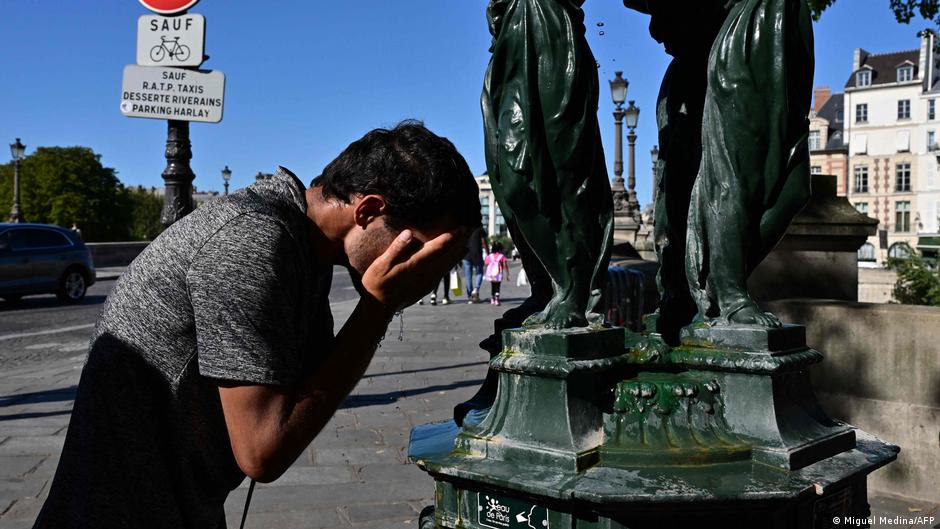
Proper hydration is paramount during hot weather. Southern Europeans prioritize constant water intake throughout the day. Beyond plain water, traditional beverages like 'aguas frescas' – light, non-alcoholic drinks made with fruits, flowers, or seeds – are popular for their hydrating properties. In Italy, public drinking fountains, such as Rome's historic 'nasoni,' provide free, cold water, which locals use not only for drinking but also to cool their wrists and hands, a practice believed to help lower core body temperature. The French, on the other hand, often utilize small spray bottles to mist their faces and limbs. When it comes to food, light, water-rich meals are preferred. Cold soups like gazpacho, and salads featuring hydrating ingredients such as cucumbers, tomatoes, and watermelon, are common. Alcohol consumption is approached with caution, as it can contribute to dehydration. In some instances, authorities have even temporarily banned alcohol at public events during severe heatwaves to mitigate health risks.
Strategic Clothing and Home Cooling Techniques
Counterintuitively, wearing less clothing isn't always the most effective strategy for staying cool. Southern Europeans often opt for loose-fitting, light-colored garments made from natural, breathable fabrics like linen and cotton. These materials protect the skin from direct sun, absorb less heat, and allow for better air circulation compared to synthetic alternatives. In the home, residents employ various low-tech cooling methods. During the day, curtains are drawn, shutters are closed, or reflective window coverings are used to block out solar heat. At night, when temperatures drop, cross-ventilation is maximized by opening windows, and some even sleep with a cool, damp sheet in front of a fan. Cotton sheets are favored over synthetic ones for bedding due to their superior breathability.
The Imperative for Broader Adaptation
While these individual and community-level strategies are effective, the long-term solution to escalating heatwaves requires broader societal changes. As long as fossil fuel combustion continues to release greenhouse gases, the planet will continue to warm, making heatwaves more frequent, intense, and deadly. Europe will need to adapt swiftly and comprehensively, rethinking not only daily routines and work schedules but also the fundamental design and energy systems of homes and cities. The lessons learned from southern Europe provide a vital starting point for this necessary transformation.
Source: Original Article