Devastating Incident in Balochistan
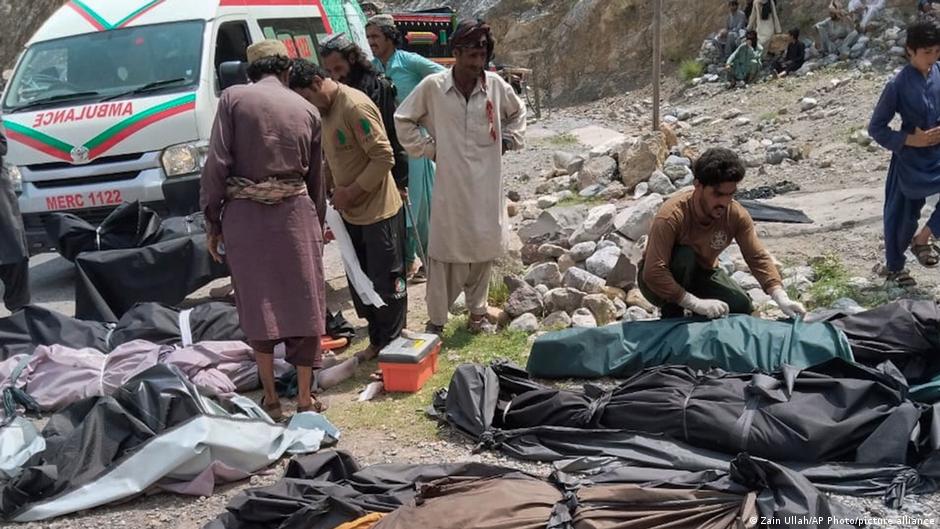
A catastrophic incident unfolded in Pakistan's southwestern Balochistan province on Friday when a passenger bus plummeted into a deep ravine, leading to the deaths of at least 40 people and leaving eight others injured. Authorities indicated that the bus was likely traveling at excessive speeds and was overcrowded at the time of the accident. A comprehensive investigation has been initiated to ascertain the precise factors contributing to this tragic event.
The unfortunate journey commenced from the city of Quetta, located in southwestern Pakistan. According to Shahid Rind, a spokesperson for the Balochistan government, the vehicle lost control, deviated from the roadway, and subsequently fell into a ravine. The accident occurred in Dana Sar, a secluded mountainous region situated near the boundary between Balochistan and Khyber Pakhtunkhwa provinces. This remote location presented significant challenges for rescue operations.
Details of the Accident and Rescue Efforts
Officials reported that the bus was transporting 48 individuals at the time of the crash. This number included passengers who had transferred from another bus that had experienced a mechanical breakdown, suggesting an increased density of occupants within the ill-fated vehicle. The issue of overcrowding is a recurring concern in public transportation safety within the region, often exacerbating the severity of accidents.
Following the plunge, emergency responders and rescue workers were dispatched to the scene. They faced a demanding task, utilizing specialized cutting tools and machinery to extract victims from the mangled wreckage of the bus. The injured were subsequently transported to nearby medical facilities for urgent treatment. Reports indicated that several of those who sustained injuries were in critical condition, highlighting the severe impact of the crash.
The arduous rescue operation underscored the difficult terrain and the extensive damage to the vehicle. The remote nature of Dana Sar further complicated the rapid deployment of resources, potentially affecting the immediate care available to the injured. The focus now shifts to supporting the survivors and the families of the deceased, while the investigation aims to prevent similar tragedies in the future.
Official Reactions and Condolences
In the wake of the devastating accident, prominent political figures in Pakistan extended their condolences to the families affected by the tragedy. President Asif Ali Zardari conveyed his profound sorrow and sympathy to the victims' relatives, acknowledging the immense loss they have endured. Similarly, Balochistan Chief Minister Sarfraz Bugti also expressed his deep condolences, emphasizing the collective grief felt across the province.
These official statements reflect the national impact of such incidents and the customary response from leadership during times of crisis. While expressions of sympathy are crucial, the focus of the ongoing investigation will be on understanding the systemic issues that may have contributed to the accident, including road conditions, vehicle maintenance, and adherence to safety regulations for passenger transport.
The incident serves as a somber reminder of the persistent challenges related to road safety in various parts of Pakistan, where factors such as inadequate infrastructure, driver behavior, and vehicle standards often contribute to a high incidence of traffic accidents. The findings of the current investigation will be critical in informing future policy and enforcement efforts aimed at enhancing public transport safety.
Source: Original Article