Pre-Summit Crackdown on Public Gatherings
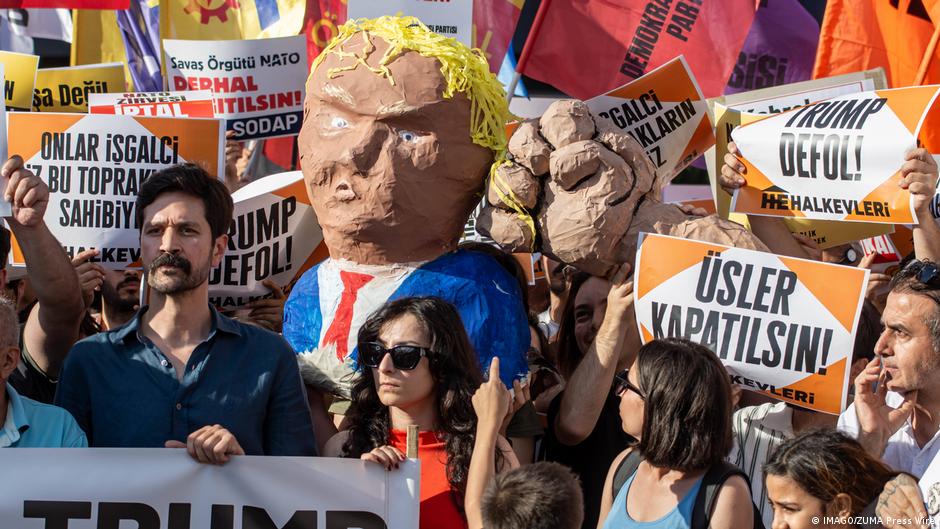
As Ankara prepares to host the upcoming NATO summit, reports indicate a substantial number of detentions have occurred, primarily targeting human rights advocates, environmental activists, and members of the press. This development unfolds against a backdrop of stringent regulations prohibiting public assemblies, suggesting a concerted effort to manage public expression in the days preceding the high-profile international event. The detentions have drawn attention to the state of civil liberties and freedom of expression within Turkey as it steps onto the global stage for the alliance meeting.
Scope of Detentions and Allegations
Preliminary figures suggest that more than 200 individuals have been taken into custody. While specific charges against each detainee have not been widely publicized, the broad categories of those apprehended – human rights activists, environmentalists, and journalists – point towards a potential preemptive measure to prevent demonstrations or critical reporting during the summit. Such actions often raise concerns among international observers and human rights organizations, who closely monitor the treatment of civil society members in countries hosting major international gatherings. The lack of detailed information regarding the reasons for detention further complicates efforts to assess the legality and proportionality of these actions.
Context of Public Assembly Restrictions
The detentions are reported to have taken place under the umbrella of a pre-existing ban on public gatherings. While governments often implement security measures and restrictions on public activities in anticipation of large-scale international events, the scope and scale of these detentions have prompted scrutiny. Critics argue that such bans, when broadly applied and coupled with mass detentions, can stifle legitimate dissent and fundamental freedoms guaranteed under international human rights conventions. The balance between national security concerns and the right to peaceful assembly remains a contentious issue, particularly in politically sensitive environments.
International Implications and Scrutiny
Turkey's role as a key NATO member and its geopolitical significance mean that actions taken by its government, especially concerning human rights and freedom of expression, are subject to considerable international scrutiny. The timing of these detentions, just before a major NATO summit, is likely to draw attention from fellow alliance members and international bodies. These events could potentially influence diplomatic discussions and perceptions of Turkey's commitment to democratic principles and human rights within the alliance. Member states often emphasize shared values, including respect for fundamental freedoms, as foundational to NATO's identity and mission. Therefore, reports of widespread detentions could lead to questions about adherence to these shared principles.
Historical Precedent and Ongoing Concerns
This is not the first instance where Turkish authorities have faced criticism for actions related to freedom of expression and assembly. The country has a history of implementing measures that human rights organizations describe as restrictive, particularly in periods leading up to or during significant political events. The ongoing concerns about press freedom, the independence of the judiciary, and the space for civil society organizations in Turkey add a layer of complexity to the current situation. Observers will be watching closely to see how these detentions are addressed by Turkish officials and what, if any, response comes from the international community and NATO allies.
Looking Ahead: The Summit and Beyond
As the NATO summit approaches, the focus will not only be on the diplomatic agenda but also on the domestic environment in which it is held. The situation regarding the detained individuals will undoubtedly remain a point of interest for human rights groups and international media. The aftermath of the summit will also be crucial in determining the long-term implications of these detentions for civil liberties in Turkey and for the country's standing on the international stage. The international community's response to these events will be a key indicator of how such actions are perceived and whether they will impact future relations and diplomatic engagements with Turkey.
Source: Original Article