Comedian Deniz Göktaş Detained in Istanbul
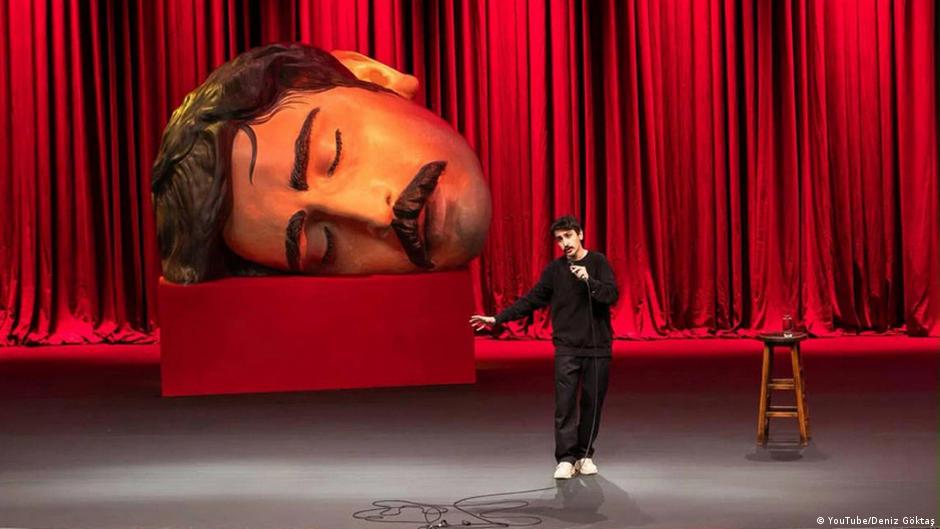
Prominent Turkish stand-up comedian Deniz Göktaş was reportedly detained at Istanbul Airport upon his return to Turkey. The detention occurred days after a video he had published online garnered significant attention, reportedly containing content that referenced President Recep Tayyip Erdoğan and religious subjects. The incident has drawn considerable discussion regarding freedom of expression within the country.
Göktaş, known for his satirical commentary and observational humor, has a substantial following across various social media platforms. His recent video, which quickly circulated online, became a focal point of public discourse. While the precise details of the video's content that led to the detention have not been fully disclosed by official sources, reports indicate that it touched upon sensitive political and religious topics. This type of content often falls under scrutiny in Turkey, where laws regarding defamation and insulting religious values can be strictly applied.
Background to the Detention
The detention of public figures, particularly those in the arts and entertainment industry, for comments made online or in their work is not an isolated incident in Turkey. Over the past several years, there have been numerous cases where individuals faced legal action or detention for alleged insults to the president, state institutions, or religious beliefs. These cases are frequently viewed by international observers and human rights organizations as indicators of a shrinking space for free speech and dissent.
In Turkey, Article 299 of the Turkish Penal Code, which criminalizes insulting the president, has been a particular point of contention. Critics argue that this article is often used to silence opposition and stifle critical voices. Similarly, laws concerning the denigration of religious values are also frequently invoked, leading to legal proceedings against individuals whose expressions are deemed offensive by certain segments of society or by state authorities.
Implications for Freedom of Expression
The detention of Deniz Göktaş underscores ongoing concerns about the state of freedom of expression in Turkey. For comedians and satirists, the line between humor and offense can be particularly thin, and navigating this boundary in a country with strict legal frameworks presents significant challenges. The incident may lead to a chilling effect, where other artists and public figures become more cautious about the content they produce, fearing similar repercussions.
International organizations regularly monitor freedom of expression in Turkey, often issuing reports that highlight concerns about press freedom, artistic freedom, and the right to peaceful assembly. The detention of Göktaş is likely to be cited in future assessments of the country's human rights record, adding to the broader narrative of challenges faced by those who express critical or unconventional views.
The incident also brings to light the power of social media in contemporary political discourse. Videos and posts can quickly go viral, reaching a wide audience and sometimes attracting the attention of authorities. This rapid dissemination of content means that artists and commentators must carefully consider the potential impact and legal implications of their work in an increasingly digital and interconnected world.
Public Reaction and Future Developments
News of Göktaş's detention rapidly spread across social media platforms, with many users expressing solidarity with the comedian and criticizing the perceived restrictions on free speech. Conversely, some individuals and groups supported the action, arguing that certain expressions cross a line into defamation or blasphemy. This division in public opinion reflects the broader societal debates within Turkey regarding the limits of free expression and the role of satire.
As of now, further details regarding the legal proceedings against Deniz Göktaş and the specific charges he may face are anticipated. The outcome of this case will likely be closely watched by human rights advocates, media organizations, and the international community, as it could set a precedent for future cases involving artistic expression and online content in Turkey.
Source: Original Article