Life Resumes on the Shores of Bandar Abbas
In Bandar Abbas, an Iranian city situated on the strategically vital Strait of Hormuz, daily life is gradually resuming. Fishermen are returning to the waters, bringing in catches that include baby sharks, a local delicacy. This seemingly ordinary scene, however, belies the recent conflict that transformed these waters into a battleground.
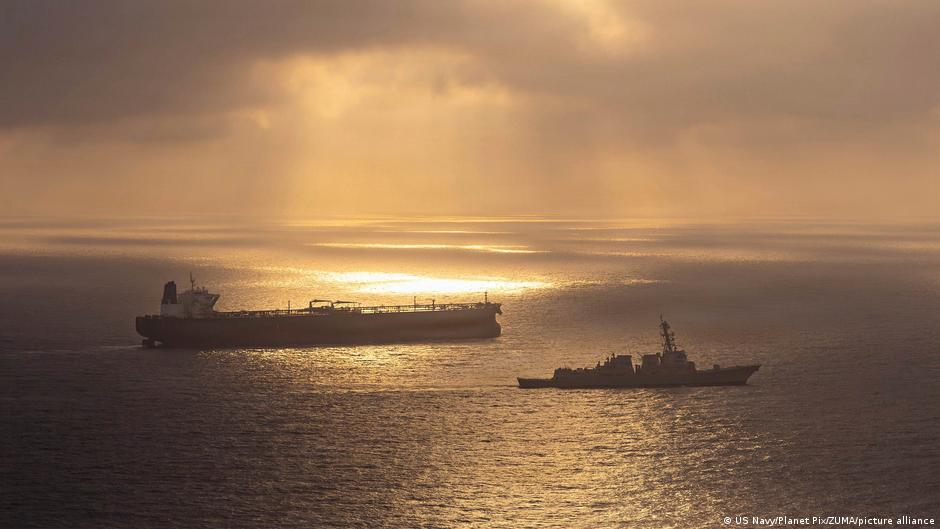
International journalists have recently gained access to the Iranian side of the strait, marking the first such visit since hostilities commenced. The conflict, which began with US and Israeli attacks on February 28, saw Iran's Islamic Revolutionary Guards Corps (IRGC) retaliate by targeting commercial vessels attempting to traverse the strait without permission. This effectively rendered the waterway impassable, stranding seafarers and causing a significant surge in global oil prices and shipping costs.
The US responded with its own blockade, targeting ships utilizing Iran's Gulf ports. For months, these actions made fishing in the area perilous, forcing many to abandon their livelihoods or risk venturing into a war zone.
Lingering Shadows of Conflict
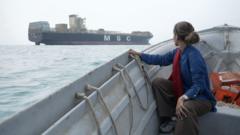
Weeks after a ceasefire agreement with the US led to a partial reopening of the strait, the waters appear calm, and fishing activities have resumed. Abdol Rahman, a local fisherman, provided insights into the war's impact during a BBC tour through the strait. Visible during the journey were two container ships, the MSC Francesca and the Epaminondas, seized by the IRGC in April. Despite the ceasefire, these Panamanian and Liberian flagged vessels remain impounded. Numerous other cargo ships were observed offshore, awaiting clearance from Iranian authorities to pass through the strait.
Hormuz Island, located 8km off Bandar Abbas, features an ancient fortress, a historical reminder of the strait's long-standing strategic importance. Built in the 16th century, the fortress played a key role in the Portuguese Empire's control of the waterway until their expulsion in 1622 by Shah Abbas I, after whom Bandar Abbas is named.
Bandar Abbas: A Strategic Hub
Today, Bandar Abbas retains its strategic significance. Situated on Iran's southern coast near the strait's narrowest point, it hosts Iran's Navy and the IRGC's naval arm. In peacetime, approximately one-fifth of the world's oil and gas shipments pass through these waters, making the city crucial to global economics and central to Iran's military doctrine of "asymmetric warfare" against more powerful adversaries.
Despite threats from former US President Donald Trump regarding the strait's closure and the current ceasefire, Iran has not fully reopened the waterway. Analysts suggest this partial closure remains a key point of leverage for Tehran in ongoing negotiations for a lasting peace agreement between the US and Iran.
Civilian Impact and Blurred Lines
While signs of normalcy are returning to Bandar Abbas, with bustling markets and reopened shops, the scars of war are still evident. An apartment block on Khushnoodi Street, hit by an Israeli strike on March 26, stands partially in ruins. Fatima, a 40-year-old business owner who worked in the building, recounted the incident, stating that families resided there, and three people were killed, including a military officer. Israel Defense Forces (IDF) claimed the target was IRGC Navy commander Alireza Tangsiri, whose death Iran confirmed four days later. The incident highlights the blurred lines between military targets and residential areas during the conflict.
According to the Armed Conflict Location and Event Data Project (Acled), there were at least 96 separate US strikes in and around Bandar Abbas between February 28 and the April 8 ceasefire. Over a third of these were reportedly aimed at military infrastructure, including IRGC facilities and naval assets, often located near residential neighborhoods.
Resilience and Uncertainty
Despite the significant damage to infrastructure and the deaths of senior Iranian leaders, Bandar Abbas Mayor Mehdi Nobani asserts that neither Israel nor the US achieved their military objectives, including regime change. He also argued that the appointment of the new Supreme Leader, Mojtaba Khamenei, has fostered unity in Iran. Nobani warned that Iran would "close the Strait of Hormuz for sure" if the ceasefire were to collapse.
At the local market, many residents were hesitant to speak to journalists, some expressing distrust of media portrayals of Iran. However, a young woman who returned from China to be with her family during the conflict noted the increased solidarity among Iranians. Fatemeh, a 55-year-old peach seller, shared how her son lost his job due to the war, making her stall the family's sole income. "We didn't want a war," she stated, expressing fear during the bombings. Another local, 40-year-old Masoumeh, added, "Every war creates problems. It affects the economy and people's lives. But we have to be patient."
As negotiations continue and the ceasefire faces ongoing tests, the Strait of Hormuz is expected to remain a critical point in the US-Iran standoff. For the local population, however, the conflict's impact is measured in lost livelihoods, nights under threat, and the hope that this fragile peace will endure.
Source: Original Article