Vatican's Doctrinal Stance on Unauthorized Episcopal Consecrations
In a significant move, the Vatican's primary doctrinal body has announced severe disciplinary actions against an ultratraditionalist Catholic organization, the Society of Saint Pius X (SSPX). These measures, which include excommunication, were initiated after the group proceeded with the consecration of bishops without obtaining the requisite consent from the Papacy, an act considered a direct challenge to papal authority and canonical law within the Catholic Church.
The declaration from the Vatican underscores the gravity with which such actions are viewed. Excommunication, the most severe penalty in the Catholic Church, signifies a separation from the communion of the Church, barring individuals from receiving sacraments and holding ecclesiastical office. This decision reflects a long-standing tension between the Holy See and the SSPX, a group known for its staunch adherence to pre-Vatican II liturgical practices and theological interpretations, often at odds with contemporary Church teachings.
Historical Context of the SSPX and Vatican Relations
The Society of Saint Pius X was founded in 1970 by Archbishop Marcel Lefebvre, a prominent figure among those who resisted the reforms introduced by the Second Vatican Council (1962-1965). Lefebvre and his followers contended that the Council introduced novelties that undermined the traditional faith and practices of the Church. Their objections primarily centered on liturgical changes, particularly the shift from the Latin Mass to vernacular languages, and aspects of religious liberty and ecumenism.
The relationship between the SSPX and the Vatican has been fraught with difficulties for decades. A critical turning point occurred in 1988 when Archbishop Lefebvre, despite explicit warnings from Pope John Paul II, consecrated four bishops. This act, deemed a schismatic action, led to the immediate excommunication of Lefebvre and the four newly consecrated bishops. The Vatican at the time emphasized that such consecrations, performed without papal mandate, constituted a grave offense against the unity of the Church and an act of disobedience to the Supreme Pontiff.
The Recent Excommunication and Its Implications
The latest excommunication, while echoing past disciplinary actions, reinforces the Vatican's consistent position on the necessity of papal approval for episcopal ordinations. The current decree extends beyond the bishops themselves, encompassing followers who actively participate in or support these unauthorized consecrations. This broad application signals the Vatican's intent to curb the spread of what it perceives as schismatic tendencies within the broader Catholic community.
For the SSPX, this renewed excommunication reiterates their status outside the full communion of the Catholic Church. While the group maintains a significant following globally, this official declaration from the Vatican places further obstacles on any potential path to reconciliation. The SSPX, for its part, typically views such disciplinary actions as unjust, asserting that their fidelity to tradition compels them to act as they do, even if it means defying papal directives they deem contrary to the perennial faith.
Theological and Canonical Perspectives on Excommunication
From a theological standpoint, excommunication is not merely a punitive measure but also a call to repentance and reconciliation. The Church's canonical law (Canon 1382 of the Code of Canon Law) explicitly states that a bishop who consecrates another bishop without a pontifical mandate incurs a 'latae sententiae' excommunication, meaning it is incurred automatically by the very commission of the offense. Those who receive such consecration also incur the same penalty.
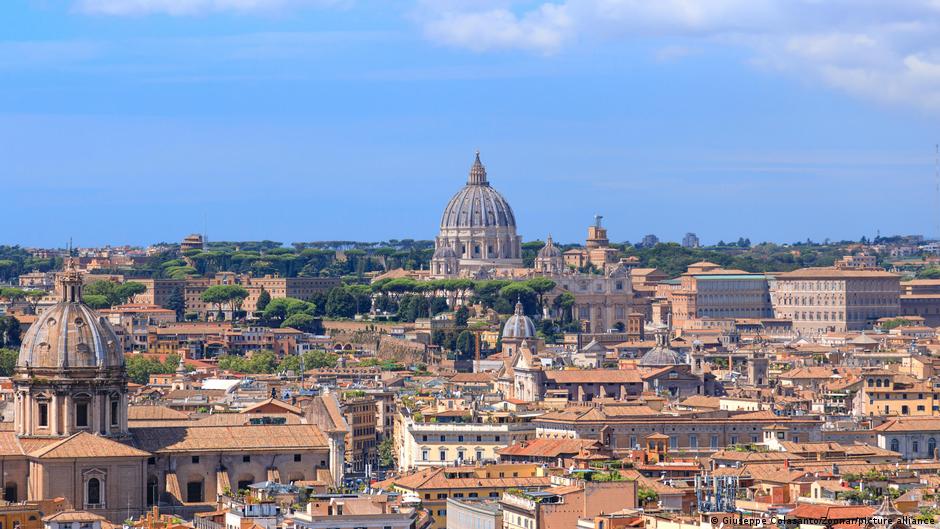
The Vatican's Congregation for the Doctrine of the Faith, the body responsible for safeguarding Catholic doctrine, plays a central role in such decisions. Their involvement highlights the theological underpinnings of the dispute, particularly concerns about the integrity of the episcopacy and the hierarchical structure of the Church, which recognizes the Pope as the successor of St. Peter and the visible head of the universal Church.
Future Prospects for Dialogue and Unity
Despite the current disciplinary measures, the history of Vatican-SSPX relations has also seen periods of attempted dialogue and reconciliation. Popes Benedict XVI and Francis, in particular, have made efforts to bridge the divide, including lifting the excommunications of the four bishops consecrated in 1988 in 2009, and granting faculties for SSPX priests to hear confessions and officiate marriages. These gestures were aimed at encouraging the SSPX to return to full communion with Rome.
However, these efforts have been met with mixed results, largely due to ongoing disagreements on doctrinal matters and the SSPX's continued insistence on their particular interpretation of tradition. The recent excommunication suggests a hardening of the Vatican's stance in response to perceived further acts of defiance. The path forward remains uncertain, with calls for unity from the Vatican juxtaposed against the SSPX's unwavering commitment to its foundational principles, which it believes are essential for preserving the Catholic faith.
The current situation underscores the enduring challenges faced by the Catholic Church in balancing its commitment to tradition with the need for unity and obedience to the Papacy. The implications of this latest action will likely resonate within traditionalist Catholic circles and continue to shape the complex relationship between the Vatican and the Society of Saint Pius X.
Source: Original Article