Venezuelan Government Addresses Earthquake Aftermath and Criticism
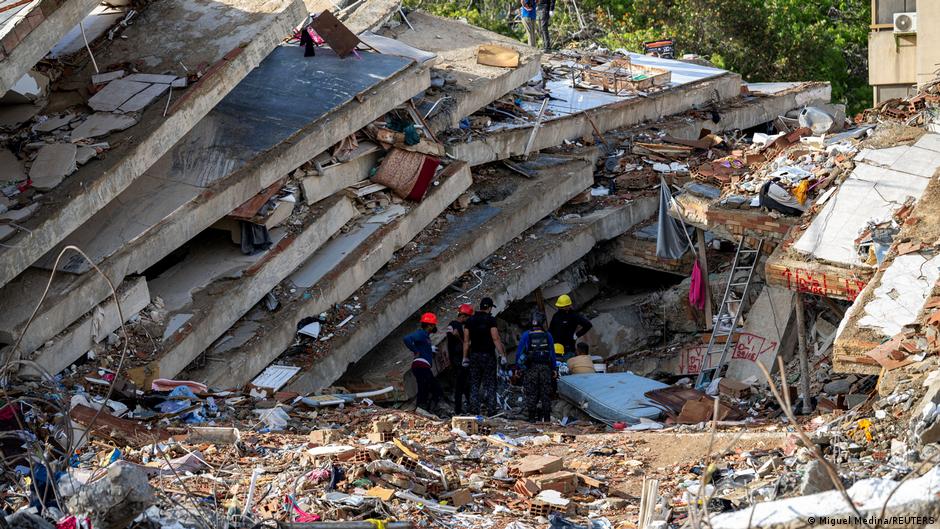
In the wake of two powerful earthquakes that have caused widespread devastation across Venezuela, Acting President Delcy Rodríguez has issued a strong defense of her administration's response efforts. Speaking to international journalists, Rodríguez dismissed claims of a slow or uncoordinated government reaction, characterizing such criticisms as "narratives manufactured in propaganda laboratories." Her remarks come as the country grapples with a escalating humanitarian crisis, a rising death toll, and ongoing search and rescue operations.
The twin seismic events have left a profound impact on several regions, prompting an urgent need for relief and reconstruction. Rodríguez highlighted the immediate activation of emergency protocols following the tremors. "We did not wait one day, two days or three days. We activated immediately," she stated, emphasizing the rapid deployment of resources and personnel. She acknowledged that in the immediate aftermath of building collapses, the first responders were often local residents, survivors, and their families, a natural occurrence in such catastrophic events.
Response Under Scrutiny as Death Toll Climbs
Despite the government's assertions, international non-governmental organizations and other observers have voiced concerns regarding the efficacy and scale of the relief operations. The International Rescue Committee, for instance, indicated earlier in the week that the current level of response was not adequately addressing the extensive humanitarian needs of the affected population. Rodríguez, however, maintained that politicizing a humanitarian tragedy of this magnitude was "disgraceful," suggesting that the criticisms were politically motivated rather than genuinely constructive.
During her address, a visibly emotional Rodríguez, wearing a black ribbon as a mark of mourning, updated the public on the grim statistics resulting from the disaster. The death toll has tragically climbed to 2,595 individuals, with more than 12,400 people reported injured. While she did not provide specific figures for those still missing, it is understood that thousands remain unaccounted for, fueling anxieties among families and communities. Search and rescue operations are continuing, though the diminishing likelihood of finding more survivors has led to a shift in focus towards the recovery of bodies.
The humanitarian situation is further complicated by the displacement of thousands of individuals, many of whom are now residing in overcrowded temporary shelters or living outdoors. Medical professionals have raised alarms about the potential for outbreaks of infectious diseases in these conditions, which could severely exacerbate an already strained healthcare system grappling with the immediate aftermath of the earthquakes.
International Aid Mobilized for Recovery
In a significant development, Acting President Rodríguez announced that international financial institutions have pledged support for Venezuela's recovery efforts. Both the International Monetary Fund (IMF) and the World Bank have agreed to provide financial assistance. Caracas is reportedly establishing a $200 million (approximately €175 million) reconstruction fund in collaboration with the IMF. This fund is earmarked to support contractors involved in rebuilding homes and infrastructure that were destroyed or severely damaged.
Rodríguez also extended her appreciation to the United States for its assistance, specifically acknowledging US President Donald Trump and Secretary of State Marco Rubio. She noted their continuous attention to the crisis and their offers of support. The United States has committed over $300 million in aid and has deployed approximately 900 military personnel to assist with rescue and relief operations, highlighting a degree of international cooperation in addressing the catastrophe.
As Venezuela navigates this challenging period, the focus remains on providing immediate relief to those affected, continuing recovery efforts, and embarking on the long process of reconstruction. The interplay between domestic response and international assistance will be crucial in determining the path forward for the impacted communities.
Source: Original Article