Post-Heatwave Scrutiny on Climate Preparedness
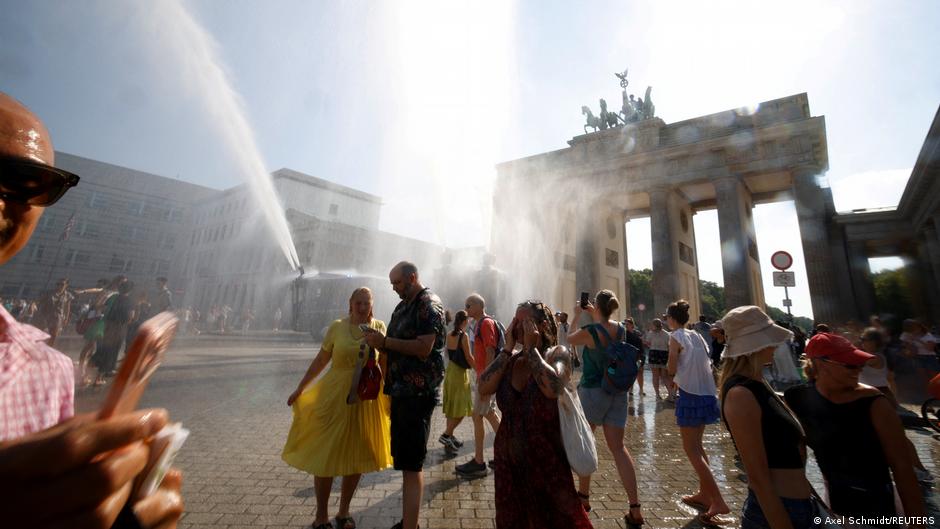
As Germany emerges from a recent period of intense heat, public and political discourse has intensified around the nation's readiness for the escalating impacts of climate change. Critics are increasingly vocal, asserting that current leadership has not adequately prioritized or implemented measures to adapt to more frequent and severe weather phenomena, such as heatwaves. This scrutiny has ignited a complex debate concerning the distribution of responsibility for climate adaptation efforts across different levels of government.
The recent heatwave served as a stark reminder of the vulnerabilities faced by urban and rural areas alike. Temperatures soared to unseasonably high levels, prompting health warnings and highlighting deficiencies in infrastructure and public services designed to cope with such conditions. While the immediate crisis has subsided, the long-term implications are now at the forefront of political discussion, with calls for a more robust and cohesive national strategy.
Divergent Views on Governmental Roles
A central point of contention revolves around which governmental entity bears the primary responsibility for preparing Germany for extreme temperatures. On one side, some policymakers and advocacy groups argue that the federal government must take a leading role. Proponents of this view emphasize the need for national frameworks, substantial financial allocations, and overarching coordination to ensure a consistent and effective approach across all states and municipalities. They contend that climate change is a national and global challenge, necessitating a top-down strategy to avoid a fragmented and potentially inefficient response.
Conversely, others maintain that municipalities are best positioned to implement localized adaptation measures. This perspective highlights the diverse geographical, demographic, and infrastructural characteristics of Germany's cities and towns. Advocates for municipal-led initiatives argue that local authorities possess a more intimate understanding of their specific needs and can tailor solutions more effectively, ranging from urban greening projects to local heat action plans. They also point to the fact that many practical adaptation measures, such as modifying public spaces or updating local building codes, fall under municipal jurisdiction.
"The recent heatwave has underscored a critical need for clarity in our climate adaptation strategy. We cannot afford to have a piecemeal approach; a coherent national framework is essential, while empowering local communities to implement tailored solutions." - A leading climate policy analyst.
Challenges in Funding and Implementation
Beyond the question of responsibility, the financing of climate adaptation measures presents another significant hurdle. Implementing widespread changes, such as retrofitting buildings for better insulation, expanding green spaces, developing cooling centers, and upgrading public health infrastructure, requires substantial investment. There is an ongoing debate about how these costs should be distributed among federal, state, and municipal budgets, and whether existing funding mechanisms are sufficient.
Furthermore, the practical implementation of adaptation strategies faces various challenges. Bureaucratic hurdles, competing priorities, and a lack of specialized expertise at the local level can impede progress. Ensuring public engagement and buy-in for new policies, some of which may require changes in lifestyle or urban planning, also remains a critical factor for successful adaptation.
The Path Forward: A Collaborative Approach?
Many experts suggest that an effective climate adaptation strategy for Germany will likely require a collaborative approach, integrating the strengths of both federal and municipal governance. This could involve the federal government providing overarching policy guidance, research, and significant financial support, while municipalities are empowered to develop and execute specific, localized plans. Such a model would necessitate improved communication and coordination mechanisms between different levels of government.
The political fallout from the heatwave indicates a growing urgency to address these issues. As climate projections suggest an increase in the frequency and intensity of extreme weather events, Germany's ability to adapt will become an increasingly defining challenge for its political landscape and the well-being of its population. The current debate serves as a crucial opportunity to refine existing strategies and forge a more resilient future.
Source: Original Article