
Addressing Global Water Scarcity Through Desalination
As the planet experiences ongoing temperature increases, leading to more frequent and intense heatwaves and water shortages in numerous regions, the imperative to convert ocean water into potable water is becoming increasingly urgent. Currently, approximately 20,000 desalination facilities operate worldwide. However, these operations frequently incur environmental costs, primarily due to the generation of chemical-laden brine, which can harm marine ecosystems. While some nations are heavily reliant on desalinated water, the development of new technologies aims to mitigate these adverse environmental impacts, offering a more sustainable approach to freshwater production.
Ethiopia's Rapid Transition to Electric Vehicles
Two years ago, Ethiopia implemented a groundbreaking policy, becoming the first country globally to prohibit the import of vehicles powered by fossil fuels. This significant legislative change is fundamentally reshaping the nation's transportation sector. Out of 1.2 million registered vehicles, over 100,000 are now electric. The East African nation has set an ambitious target to increase its electric vehicle fleet to 500,000 by 2030, marking a substantial commitment to cleaner and quieter urban environments and a reduction in carbon emissions. This move positions Ethiopia as a potential model for other developing nations seeking to decarbonize their transport systems.
Revitalization of India's 'Ghost Villages'
In India's northern state of Uttarakhand, rural villages once abandoned due to the unreliable nature of farming, exacerbated by climate change, are now experiencing a resurgence. A new wave of entrepreneurial individuals is migrating to these areas, establishing agricultural ventures focused on climate-resilient crops. Examples include hemp and Damask roses, which are cultivated for products like rosewater and essential oils. These initiatives are not only generating employment opportunities but also reviving traditional agricultural knowledge and instilling new hope within these previously desolate rural communities. The shift towards sustainable and resilient farming practices demonstrates a proactive response to environmental challenges.
From Poaching to Protection: Seahorse Conservation in Mozambique
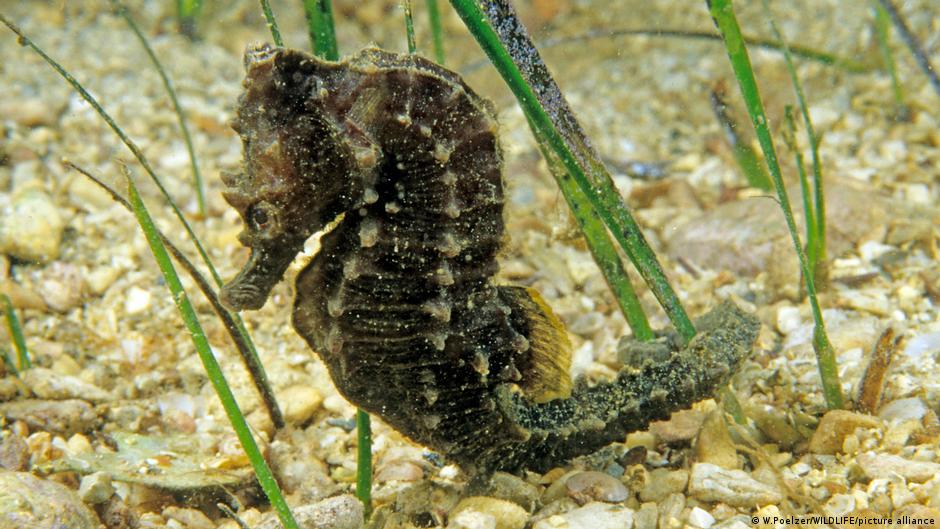
In Vilankulo, Mozambique, seahorse populations were once severely threatened by illegal trade, driven by global demand for traditional Chinese medicine. However, a community-led conservation project is now effectively reversing this damage. Former poachers, who previously engaged in the illicit capture of these small marine species, have transitioned into roles as protectors. They now earn a livelihood by conducting guided seahorse safaris, offering tourists the opportunity to observe these creatures in their natural habitat while educating them about conservation efforts. This transformation not only provides economic alternatives for local communities but also significantly contributes to the recovery and safeguarding of the local marine ecosystem, showcasing a successful model of integrated conservation and community development.
Community-Led Conservation Efforts
The success in Vilankulo highlights the effectiveness of involving local communities directly in conservation initiatives. By providing alternative, sustainable income sources, such as eco-tourism, projects can empower individuals who once contributed to environmental degradation to become its most ardent defenders. This approach fosters a sense of ownership and responsibility among community members, leading to more sustainable and long-term conservation outcomes. The transition from poaching to protection serves as a powerful example of how economic incentives can align with ecological goals, benefiting both human populations and wildlife.
Technological Advancements in Water Purification
The quest for sustainable desalination technologies is crucial for ensuring global water security. Current methods, while effective in producing freshwater, often pose environmental challenges due to their energy intensity and the disposal of concentrated brine. Ongoing research and development are focused on creating more energy-efficient and environmentally friendly desalination processes. Innovations in membrane technology, renewable energy integration, and brine management are paving the way for a future where ocean water can be converted into drinking water with minimal ecological footprint, thereby offering a viable solution to the escalating global water crisis.
Global Implications of Sustainable Practices
The diverse initiatives discussed — from Ethiopia's electric vehicle revolution to India's resilient farming and Mozambique's seahorse conservation — collectively underscore a global movement towards sustainability. These examples illustrate that addressing environmental challenges requires multifaceted approaches, combining technological innovation, policy changes, and community engagement. Each success story, whether on a national or local scale, contributes to a broader understanding of how human societies can adapt and thrive in the face of climate change and resource scarcity, offering hope for a more sustainable future.