Introduction to the Situation in Serbia
In Serbia, the political landscape is currently marked by heightened scrutiny directed at President Aleksandar Vucic and the ruling party, the Serbian Progressive Party (SNS). This intensified focus stems from a confluence of long-standing investigations into alleged links between government structures and organized criminal groups, alongside a visible increase in gang-related conflicts. These twin pressures are reportedly beginning to erode the support base for the president and his party, prompting discussions about the potential long-term implications for Serbian politics and society.
Historical Context of Allegations
Allegations of connections between political entities and organized crime are not entirely new in Serbia. However, the recent escalation in both the frequency of these claims and the public visibility of related violence has brought the issue to the forefront. For years, various independent journalists, civil society organizations, and international bodies have pointed to potential overlaps between state actors and illicit networks. These reports have often detailed instances where organized crime appeared to operate with a degree of impunity, or even benefit from tacit approval, raising questions about the rule of law and governance in the country.
Specific Cases and Public Perception
Several high-profile cases have fueled public concern and media attention. These often involve individuals with known criminal backgrounds who are alleged to have connections to influential political figures or state institutions. The nature of these alleged ties can vary, from financial transactions and business dealings to more direct forms of cooperation or protection. The cumulative effect of these revelations has been a growing perception among segments of the population that organized crime is deeply embedded within the fabric of society, potentially influencing political decisions and economic activities.
The Impact of Escalating Gang Warfare
Concurrent with the ongoing investigations, Serbia has witnessed a noticeable rise in gang-related violence. This includes public assassinations, territorial disputes, and other acts of aggression that have heightened public anxiety. The visibility of such violence, often occurring in urban centers, serves as a stark reminder of the power and reach of criminal organizations. This open display of criminal activity further reinforces the narrative that these groups are operating with a significant degree of freedom, leading many to question the state's capacity or willingness to effectively combat them.
Implications for State Authority
The escalation of gang warfare directly challenges the state's monopoly on legitimate force and its ability to ensure public safety. When criminal groups can openly engage in violent acts, it can undermine public trust in law enforcement and judicial institutions. This perception of a weakened or compromised state apparatus is particularly damaging in a country that has been striving to strengthen its democratic institutions and align with European standards. The failure to curb gang violence effectively can be interpreted as either a lack of capability or, more critically, a lack of political will, which in turn feeds into the allegations of state-crime collusion.
Erosion of Support Base
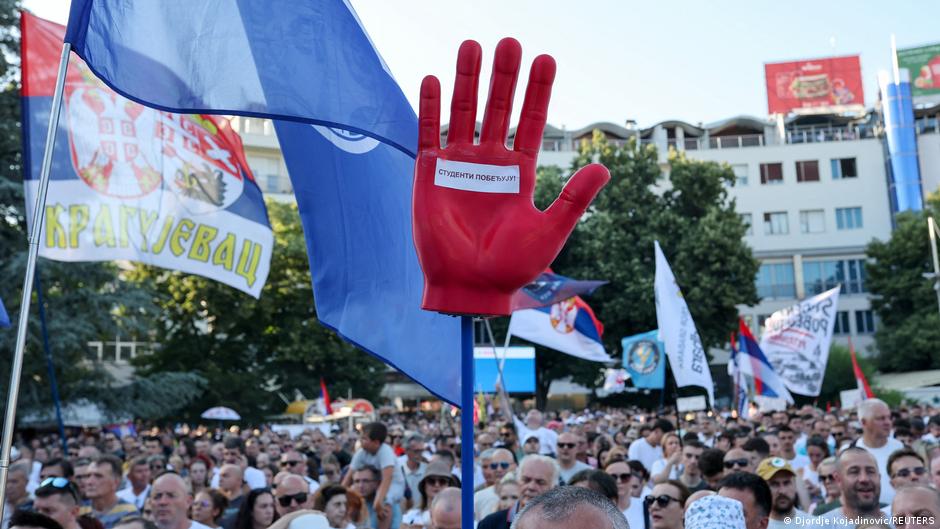
Political analysts and commentators suggest that the combination of alleged state-crime ties and escalating gang violence is beginning to impact President Vucic's and the SNS's traditional support base. While the ruling party has historically enjoyed strong backing, particularly from segments of the population prioritizing stability and national identity, these recent developments appear to be causing disquiet. Supporters who previously overlooked or dismissed allegations may now be re-evaluating their stance in light of the visible consequences of organized crime.
Factors Contributing to Discontent
Several factors contribute to this erosion of support. Economic concerns, often exacerbated by corruption linked to organized crime, can alienate citizens. The perception of injustice, where powerful criminal figures appear untouchable, can also lead to widespread disillusionment. Furthermore, the direct threat to public safety posed by gang violence can make even the most loyal supporters question the efficacy and integrity of their leadership. This internal questioning within the support base is significant because it suggests a shift beyond mere opposition criticism, indicating a deeper societal concern.
Potential Political Repercussions
The long-term political repercussions of these developments remain to be seen. However, continued pressure from domestic and international bodies, coupled with sustained public discontent, could necessitate a more robust response from the Serbian government. Failure to address these concerns effectively could lead to further weakening of public trust, potential electoral challenges, and increased scrutiny from international partners, particularly those involved in Serbia's European integration process. The ruling party faces a critical juncture where its ability to demonstrate a clear and decisive break from any alleged criminal ties and to effectively combat organized crime will be crucial for its future legitimacy and stability.
Source: Original Article